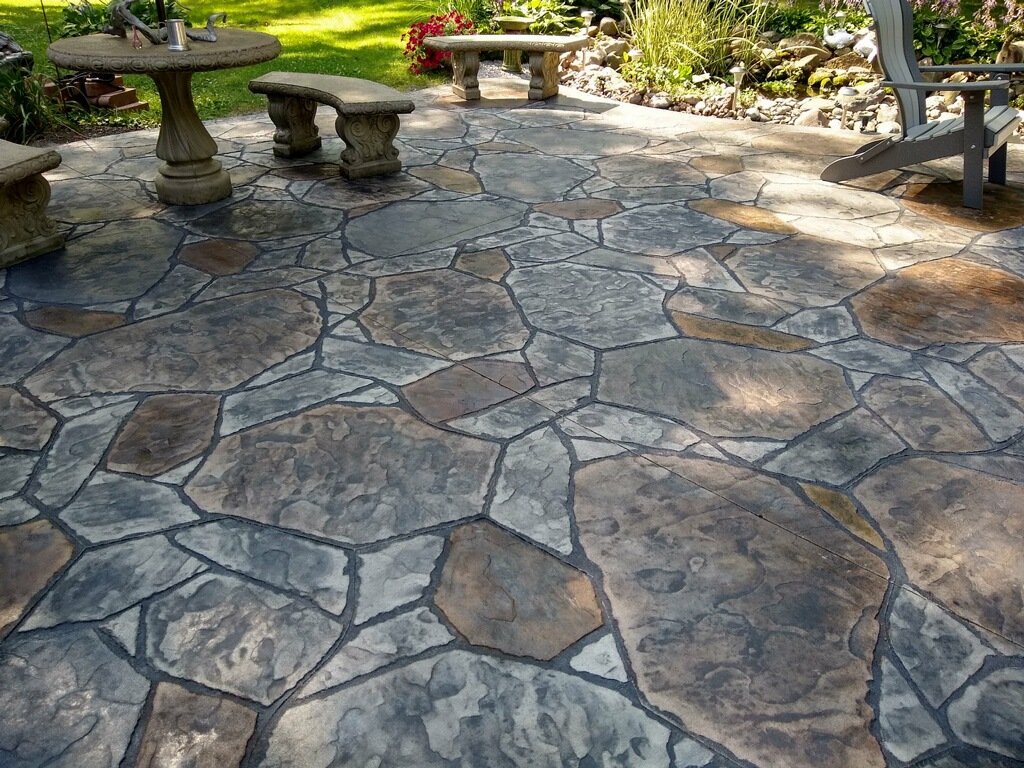
Concrete cracks are one of those things people tend to ignore—until they can’t. At first, it’s just a thin line in the driveway that you step over without thinking. Then it starts collecting dirt, weeds appear, water lingers after rain, and before long the damage can reach a point where replacing the entire driveway becomes the more practical solution.
The good news is that many cracks can be repaired in a way that lasts if the fix matches the type of damage and the preparation is done properly. The bad news is that the quick “squeeze something in and hope” approach usually fails fast, especially once water and freeze-thaw cycles start working against the surface.
First: Not All Cracks Are the Same (And That Changes the Fix)
A lasting repair starts with a simple question: Is the crack cosmetic, or is it structural? Hairline surface cracks can often be sealed and monitored. Wider cracks, cracks with vertical movement, or cracks that keep spreading may need a more involved repair or replacement of a section.
Here’s what to look for before you buy anything:
- Width: hairline vs. wider than 1/8 inch vs. 1/4 inch+
- Movement: Are the two sides level, or is one side higher?
- Pattern: single line vs. branching vs. multiple cracks in one area
- Location: edges, joints, steps, or high-traffic zones tend to worsen faster
- Water: Does the crack stay damp or collect water after rain?
For HOAs and property managers, this is also the moment to think about liability: cracks with uneven edges or offsets are more than cosmetic; they’re trip hazards.
The Crack Keeps Getting Wider (That’s Usually Water + Freeze-Thaw)
If a crack is widening over time, it’s often because water is getting in, then expanding during cold weather or washing out the base underneath. This is why “I’ll fix it later” tends to cost more later because the crack isn’t just sitting there; it’s actively being worked on by the weather.
A simple solution that lasts usually includes:
- cleaning the crack fully (not just the top)
- using the right filler for the crack size
- sealing it so water can’t keep entering
- addressing drainage if water is consistently flowing toward that area
If the area is constantly wet, even a good repair can fail early because the underlying cause is still present.
You See Weeds or Dirt Packed Inside the Crack (The Crack Is Acting Like a Planter)
When weeds grow out of a crack, it’s a sign the crack is wide enough to trap debris and hold moisture. At that point, surface patching without cleaning is basically guaranteed to fail.
What actually works:
- remove weeds and roots completely
- dig out loose debris (a wire brush and compressed air help)
- Make sure the crack is dry enough for the product you’re using
- fill and seal with a material designed for concrete crack repair
For communities, this is also a curb-appeal issue. Cracks with weeds make the entire property feel less maintained, even if everything else is clean and landscaped.
Did You Know? Many “Failed Repairs” Fail Because of Prep, Not Product
Most crack fillers and repair compounds can perform well if the crack is prepped correctly. The most common reasons repairs don’t last:
- dust left inside the crack (nothing bonds well to dust)
- applying the product to wet concrete when it requires dry conditions
- using a rigid patch in a crack that moves seasonally
- skipping the step of widening/undercutting when needed for bonding
In other words, the boring part (prep) is usually the part that determines whether the repair lasts.
Simple Solutions That Last (Based on Crack Type)
Drawing from experience in the field, here are practical repair approaches that homeowners can understand and use as a decision guide when prioritizing maintenance. For more complex situations, it often helps to rely on a professional concrete specialist.
Hairline cracks (very thin, no movement)
These are often shrinkage cracks from curing. They can be sealed to keep water out and reduce staining.
- Best approach: concrete crack sealer (low-viscosity)
- Goal: prevent water intrusion and dirt buildup
- Expectation: improves appearance and protection, not “invisible perfection.”
Small to medium cracks (about 1/8″ to 1/2″, mostly level)
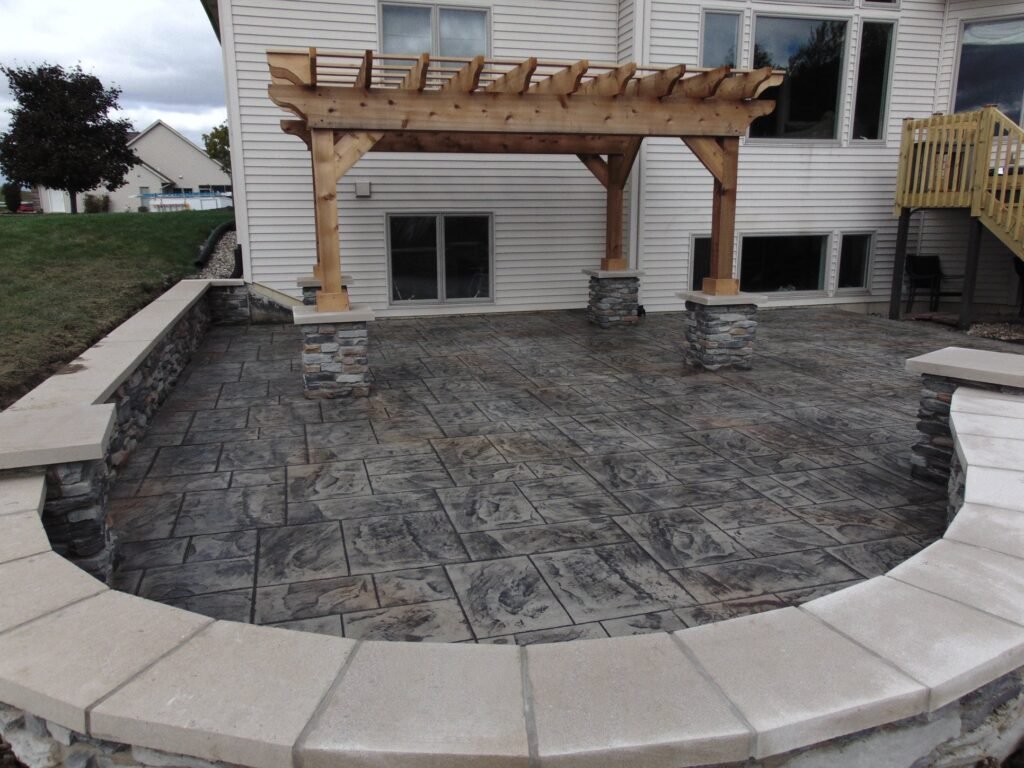
These are common in driveways, sidewalks, and even outdoor spaces like concrete patio surfaces, where regular use and weather exposure often lead to cracking over time.
- Best approach: flexible polyurethane or epoxy crack filler (product choice depends on location and movement)
- Goal: bond well, stay intact through temperature changes
- Key step: clean thoroughly and fill in layers if needed
Wider cracks or missing chunks (spalling at the crack edges)
When the edges are breaking away, a simple filler may not rebuild the shape.
- Best approach: concrete patch/repair mortar for rebuilding edges, then seal
- Goal: restore the surface profile and reduce trip risk
- Key step: remove loose concrete until you reach solid material
Cracks with vertical offset (one side higher than the other)
This is where DIY fixes stop being “simple.” Offset cracks often indicate settling or base failure.
- Best approach: professional evaluation (possible slab replacement, lifting, or grinding depending on severity and location)
- Goal: eliminate trip hazard and prevent repeat failure
- Key step: treat it as a safety issue, not just a cosmetic one
You’re Seeing Cracks Near Joints or Edges (Those Areas Fail First)
Edges and joints are stress points. They take more impact, they’re more exposed to water, and they’re often where the base is weakest. In most communities, these spots also get hit by:
- snow plows
- delivery trucks
- turning tires
- landscaping equipment
If cracks are forming at edges, it’s smart to look at what’s causing extra stress there, like drainage washing out soil, or heavy vehicles consistently using the same tight turn.
Fast Facts: When to DIY vs. When to Call a Pro
- DIY is usually fine for hairline to moderate cracks that are level and stable
- Call a pro when cracks are:
- offset (trip hazard)
- spreading quickly
- paired with sinking or pooling water
- in high-traffic community areas (walkways, entrances, ramps)
A repair that “sort of works” in a back patio is different from a repair that must hold up on a community sidewalk where dozens of people walk daily.
Situation vs. Best Next Step
| Situation | Best Next Step |
| Hairline cracks on a driveway | Seal to reduce water intrusion and staining |
| Crack with weeds and debris | Clean deeply, fill properly, then seal |
| Cracks near downspouts or puddling areas | Fix drainage first, then repair cracks |
| Sidewalk crack with uneven height | Treat as a safety issue; consider professional repair |
| Multiple cracks in one section | Evaluate whether patching is worth it vs. replacing the panel |
What a “Lasting Repair” Looks Like in Real Life
A realistic crack repair plan is:
- Clean it like you mean it (remove dust, debris, loose concrete)
- Choose the right material (flexible vs. rigid, based on movement and location)
- Apply correctly (depth, layers, cure time)
- Seal and protect (keep water out moving forward)
- Monitor (if it reopens quickly, something underneath is shifting)
Homeowners: the biggest win is catching cracks early and keeping water out.
The biggest win is prioritizing safety zones first and building a repeatable maintenance schedule.
Ready to Fix Concrete Cracks the Right Way in Fort Wayne?
If you’re dealing with cracking concrete and want a repair that holds up, not just a temporary patch, Unique Concrete can help. For expert asphalt and concrete maintenance in Fort Wayne, including concrete crack repair, replacement planning, and long-term surface care, call us today and request a quote!